Spotting Deepfake Videos Online Without Panic
October 30, 2026
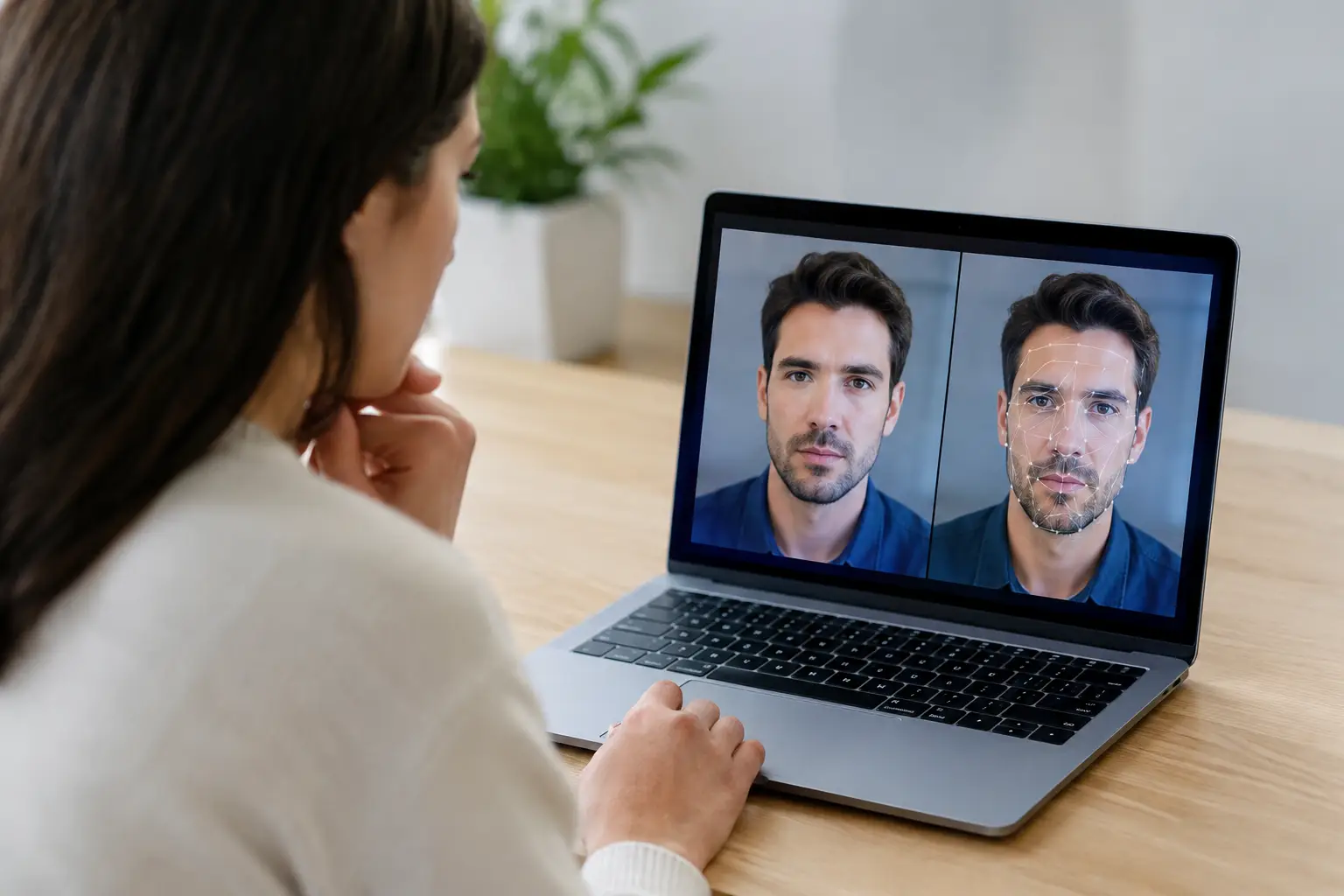
A video arrives in the family group chat: a minister appears to announce an emergency measure, a celebrity is selling an improbable investment scheme, or a familiar journalist seems to say something wildly out of character. Someone writes, “If this is real, we are in trouble.” Someone else forwards it before breakfast. That is precisely why spotting deepfake videos online is no longer a hobby for forensic specialists. It is a basic civic skill, like recognizing a phishing email or checking whether the front door is actually locked.
The awkward part is that deepfakes are getting better. The reassuring part is that they do not need to be perfectly detectable by the naked eye for us to become much harder to fool. The best defense is not becoming a human lie detector. It is slowing down the little conveyor belt between seeing, believing, and sharing.
The real trick is not always the face
A deepfake is synthetic or manipulated audio, video, or both, made to look as if a real person said or did something they never did. Some are obvious: lips move with the confidence of a badly dubbed 1980s movie, hands briefly acquire an extra finger, and the lighting changes its mind halfway through a sentence. Those are the easy cases.
The convincing ones are more dangerous because they exploit something much older than artificial intelligence: our willingness to believe information that confirms our fears, loyalties, or irritation with people we already dislike. If a video makes you instantly angry, delighted, or morally superior, treat that emotional jolt as a warning light. The manipulation may be in the pixels, but it may also be in the story wrapped around them.
A real video can be misleading, too. A clipped interview, an old speech presented as new, or footage from another country with a fresh caption can create a false impression without one line of AI-generated code. In practical terms, the question is not only “Is this a deepfake?” It is “What exactly am I being asked to believe, and who benefits if I believe it quickly?”
Spotting deepfake videos online: start with context
Before examining a person’s eyes at 400 percent zoom, examine the video’s route to your screen. Where did it first appear? Is it from a recognizable news organization, an official account, or a random page with an alarming name and a profile picture of a golden retriever? The dog may be innocent. The account may not be.
Look for the original, full-length version. Short clips are ideal material for mischief because they remove the question, the setup, and the sentence that changed everything. Search the name of the speaker alongside a distinctive phrase from the clip. If a public figure supposedly made a seismic statement, there should usually be evidence beyond a reposted vertical video with dramatic captions and a soundtrack that sounds like a refrigerator having an argument.
Timing matters as well. A video may surface during an election, a military crisis, a market panic, or a corporate scandal because those are moments when people share first and investigate later. That is not a character flaw. It is a design flaw in the way social platforms reward speed. Knowing this gives you a useful advantage: the more urgent a clip claims to be, the more calmly you should check it.
What to inspect when the video itself looks suspicious
Visual clues can still help, provided we do not turn them into a magic checklist. Artificial intelligence can now produce very natural blinking, skin texture, and facial movement. A single odd-looking frame proves little. Compression, poor lighting, and a shaky phone camera can make perfectly authentic footage look as if it was assembled in a basement.
Instead, watch the video more than once and look for inconsistencies. Does the lighting on the face match the room? Do teeth, earrings, eyeglasses, or hair edges warp when the person turns? Does the mouth form words with slightly delayed precision, as if the sound and image met only recently at a bad networking event? Pay particular attention to transitions between expressions, quick head turns, and moments when a hand crosses the face. These remain difficult areas for many synthetic videos.
Listen, too. An AI voice can be impressively smooth while still feeling strangely flat. Breaths may arrive at unnatural moments. The emotional rhythm can be wrong: a solemn statement delivered with the warmth of a GPS system, or a joke followed by no hint that the speaker knows it is a joke. Accent, pacing, and pronunciation matter most when you know the speaker well, but do not overestimate your ear. A poor audio recording can make anyone sound synthetic, including your uncle calling from a parking garage.
Consider the production logic. Why would a head of government announce a major decision in a grainy selfie video? Why would a prominent CEO offer financial advice through a reposted clip rather than an official channel? Authenticity is not a matter of looking polished. Sometimes real events are messy. But the format should make sense for the claim being made.
Verification beats visual cleverness
The most reliable checks happen outside the video. Compare it with reporting from several independent outlets. Check official statements, transcripts, schedules, and verified accounts. If the video alleges that someone gave a speech at a particular event, ask whether that event occurred and whether credible reporters were there.
Reverse image search can help with still frames, especially when old footage has been recycled. Captions deserve their own inspection. A confident caption is not evidence, and a blue check mark is not a notarized certificate of truth. Platform labels warning that content may be AI-generated can be useful, but their absence means little. Labels are inconsistently applied, and deliberate deceivers are not known for their paperwork.
There are also specialized detection tools. They may identify manipulated media by analyzing patterns invisible to a human viewer. Use them as one signal, not as a final verdict. Detection technology is in a permanent race with generation technology, and neither side has retired from the track. A tool that says “likely authentic” cannot establish that a video is true in context. It can only offer a technical clue.
For journalists, public institutions, and businesses, this has a practical consequence: prepare before the fake arrives. Decide who verifies suspicious content, which official channels will correct false claims, and how employees should report an impersonation. A crisis plan is less glamorous than an AI demonstration, but it is also more useful at 11:47 p.m. when a fabricated executive video begins circulating.
The habit that matters most: do not lend your credibility
Most people cannot verify every clip with professional certainty. Nor should they have to. The standard for ordinary sharing is simpler: if you cannot establish that a sensational video is real, do not present it as real. Add a question mark, say you are checking it, or do the radical thing and share nothing at all.
That pause protects more than your reputation. Deepfakes work best when they are amplified by trustworthy people to their own circles. The fake video needs the neighbor, colleague, cousin, or respected professional to give it a free ride into someone else’s mind. In that sense, the decisive technology is not artificial intelligence. It is social trust.
We should resist two equally unhelpful reactions. The first is panic: assuming every strange clip is synthetic and retreating into permanent suspicion. The second is fatalism: deciding that because fakes exist, evidence no longer matters. That second response is particularly convenient for people who would prefer never to answer an inconvenient fact again. “Could be AI” is rapidly becoming the digital cousin of “my dog ate the homework.”
Real evidence still exists. Multiple sources still matter. A full recording is still better than a viral fragment. And a calm question remains wonderfully effective: where did this come from?
The next suspicious video will probably not announce itself with a label reading “fraudulent nonsense.” It will arrive looking plausible, urgent, and tailored to your existing opinions. Give it ten minutes instead of ten seconds. That small delay may be the most human thing you can do in an increasingly synthetic media environment.