Synthetic Media Is Here. Who Holds the Remote?
November 1, 2026
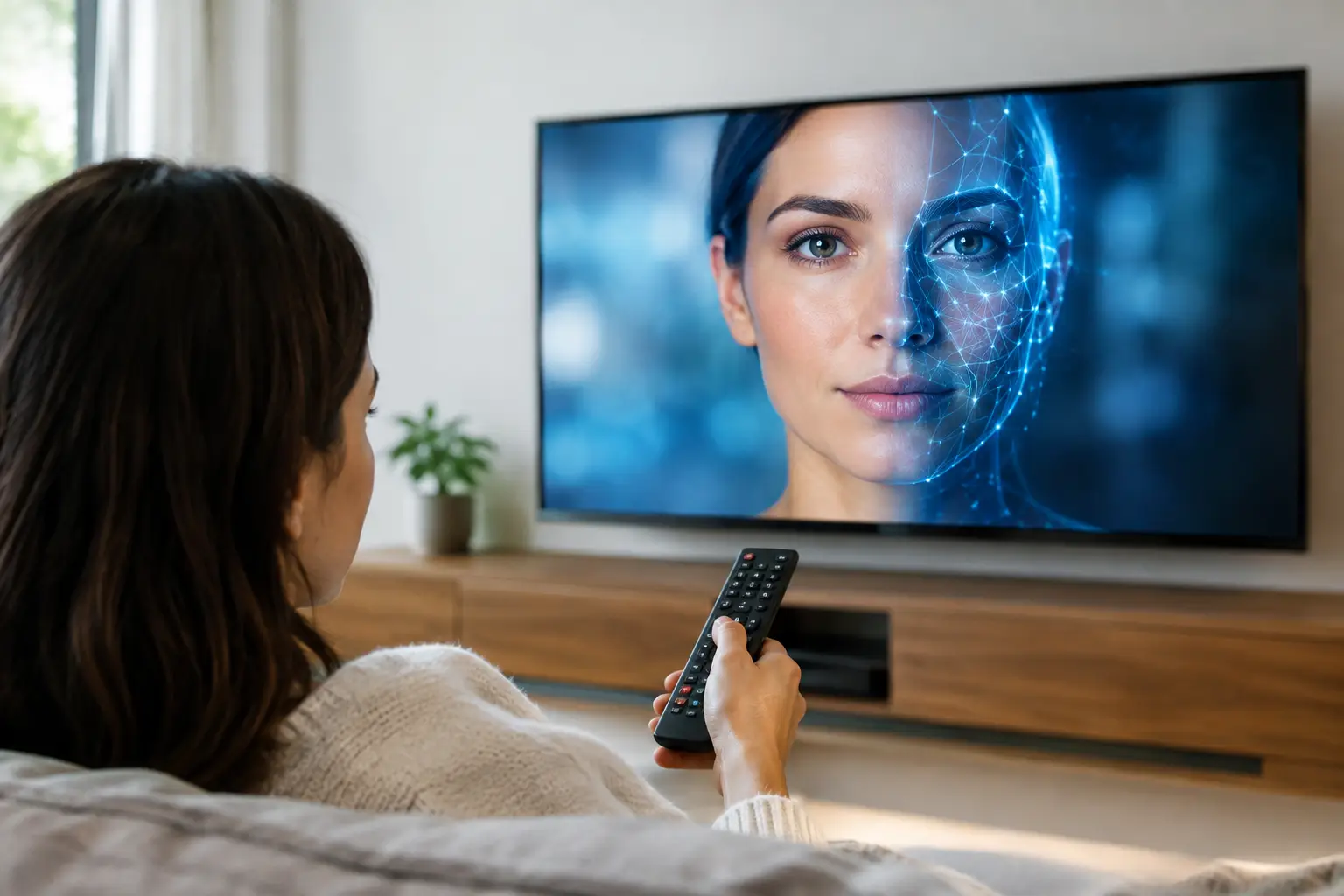
A convincing video of a minister announcing a new tax can race through WhatsApp groups before the minister has finished breakfast. A cloned voice can call an elderly parent, sound exactly like their daughter, and ask for money with the urgency of a small household disaster. Meanwhile, a marketing team can make a useful training film in an afternoon instead of spending a month and half a budget on it.
That is synthetic media in one uncomfortable picture: a tool that can save time, lower costs, widen creativity, and turn reality into a negotiable suggestion. The technology is not the villain. But it does put an old human weakness on steroids: we tend to believe what we see and hear, especially when it confirms what we already feared.
Synthetic Media Is More Than Deepfakes
The phrase sounds technical, perhaps like something produced in a laboratory by people who call coffee a beverage. In plain English, synthetic media is content generated or substantially altered by artificial intelligence. It includes text, images, music, voices, video, digital avatars, and combinations of all of them.
The public discussion often jumps straight to deepfakes: fake videos of presidents, celebrities, or neighbors doing things they never did. Fair enough. Deepfakes are the tabloid version of the story, and tabloid versions travel well. Yet the ordinary uses may matter even more. A company can translate a safety instruction video into ten languages while keeping the same familiar presenter. A small museum can give a historical figure a voice. A teacher can tailor explanatory material for students who need more time, another language, or a different example.
There is real value here. Much of the world is badly explained, expensively translated, and filmed with the production quality of a hostage video. Synthetic tools can improve that. They can also flatten creative work into an endless pile of cheerful avatars with unnaturally perfect teeth. As usual, the machine gives us options. Judgment remains an optional extra.
The Real Damage Is Not Just Fake Content
The obvious danger is fraud. Criminals do not need perfect technology. They need someone to be hurried, worried, lonely, or distracted for thirty seconds. A cloned voice saying, Mom, I have had an accident, can do the job before anyone starts a technical analysis of audio artifacts.
Political manipulation is the second danger, although it is often described too neatly. The problem is not only that voters may believe a fake clip. It is also that real clips can be dismissed as fake. Once public trust becomes soft enough, every inconvenient recording gets the same response: probably AI. The liar no longer needs to prove innocence. He only needs to create fog.
Then there is a quieter form of damage: consent. A person’s face, voice, style, or mannerisms can be copied and commercially exploited with little effort. For performers, journalists, teachers, and ordinary people who happen to appear online, this is not an abstract debate about innovation. It is about whether your identity remains partly yours after it has been fed into a machine.
We should be careful not to treat this as a problem caused solely by technology companies. The appetite comes from us too. We share spectacular clips before checking them. We reward outrage faster than correction. We enjoy the little thrill of being first with a shocking story, even if the story later turns out to have been assembled from pixels, prejudice, and a free afternoon.
Why Labels Help, but Do Not Save Us
A sensible first response is labeling. If an image, voice, or video was made or materially altered by AI, say so. In advertising, political communication, news, education, and customer service, that should become normal practice. No drama. Just a clear signal that people are dealing with a constructed representation rather than a recording of an event.
But labels are not a magic stamp of truth. Bad actors will remove them. People who create harmless material may forget them. And platforms can place a notice so discreetly that it has the practical effect of a warning label on a cigarette hidden inside the cigarette.
Technical provenance systems may help as well. These can record where content came from and how it was changed. That is useful, particularly for professional publishers and public institutions. Yet provenance can tell us something only when the chain is intact. It cannot certify every image floating through group chats, private messages, and the strange corners of the internet where common sense goes to retire.
The most durable defense is therefore social, not merely technical. We need to learn a new reflex: pause when content creates immediate panic, rage, or delight. Ask who benefits. Look for the original source. Check whether reputable outlets or official channels confirm the claim. This is not glamorous media literacy. Nobody gets a medal for not forwarding nonsense. But it is increasingly part of being a responsible adult.
Synthetic Media Needs Rules With Teeth
Not every use of synthetic media deserves the same treatment. A cartoon character with an AI-generated voice is not equivalent to a fake emergency message from a mayor. Regulation that ignores context will either smother useful experimentation or leave obvious abuse untouched.
The clearest line should be consent. Using someone’s recognizable face or voice should generally require permission, particularly for commercial, political, sexual, or defamatory material. There must be fast remedies for victims, not a legal pilgrimage that ends years later with a politely worded apology and an invoice from a lawyer.
Political content deserves stricter handling because timing matters. A convincing fake released the night before an election does not need to persuade everyone. It only needs to confuse enough people while fact-checkers are still locating their passwords. Campaigns and platforms should be required to disclose materially synthetic content, preserve evidence, and act quickly on impersonation.
Companies also have responsibilities that cannot be outsourced to a terms-of-service page written in microscopic font. If a platform makes it easy to generate a realistic clone of a human voice, it should build in friction: consent checks, reporting channels, detection efforts, and meaningful limits on obvious abuse. Innovation is not a hall pass for negligence.
Still, we should resist the temptation to demand that governments decide what is real on our behalf. That power has its own unpleasant history. The better model is narrow rules against deception, impersonation, fraud, and nonconsensual exploitation, paired with transparent procedures and independent oversight. Freedom of expression includes satire and art. It does not include impersonating a doctor to steal someone’s savings.
The Awkward Question: What Will We Accept?
The deepest change may not be that fake media becomes indistinguishable from real media. It may be that audiences stop caring how something was made, as long as it entertains, persuades, or sells. We already accept digitally enhanced images, scripted reality television, auto-tuned singers, and political photographs selected with all the innocence of a real estate brochure.
That does not mean authenticity is dead. It means authenticity needs clearer terms. If a documentary uses an AI voice to read historical letters, viewers deserve to know. If a company uses an avatar to answer customers, customers deserve to know. If a columnist has an AI summarize a report, the interesting question is whether the columnist checked it before confidently sharing a fictional statistic with the public.
The future will not be divided between human media and synthetic media. Most media will be a mixture. A real journalist may use AI transcription. A real filmmaker may generate a background scene. A real teacher may use an artificial voice for accessibility. The line worth defending is not purity. It is accountability.
When media can be manufactured cheaply and convincingly, trust becomes more valuable, not less. The people and institutions that explain what they made, why they made it, and who takes responsibility when it goes wrong will earn an advantage. Everyone else may gain clicks for a while. But a society that cannot tell evidence from theater eventually starts making decisions as if both are the same thing.
That is a risky way to run a family, a business, or a democracy. Before forwarding the next astonishing clip, perhaps ask one unfashionably human question: if this is false, who pays for the mess?