What Causes the Housing Affordability Crisis?
October 16, 2026
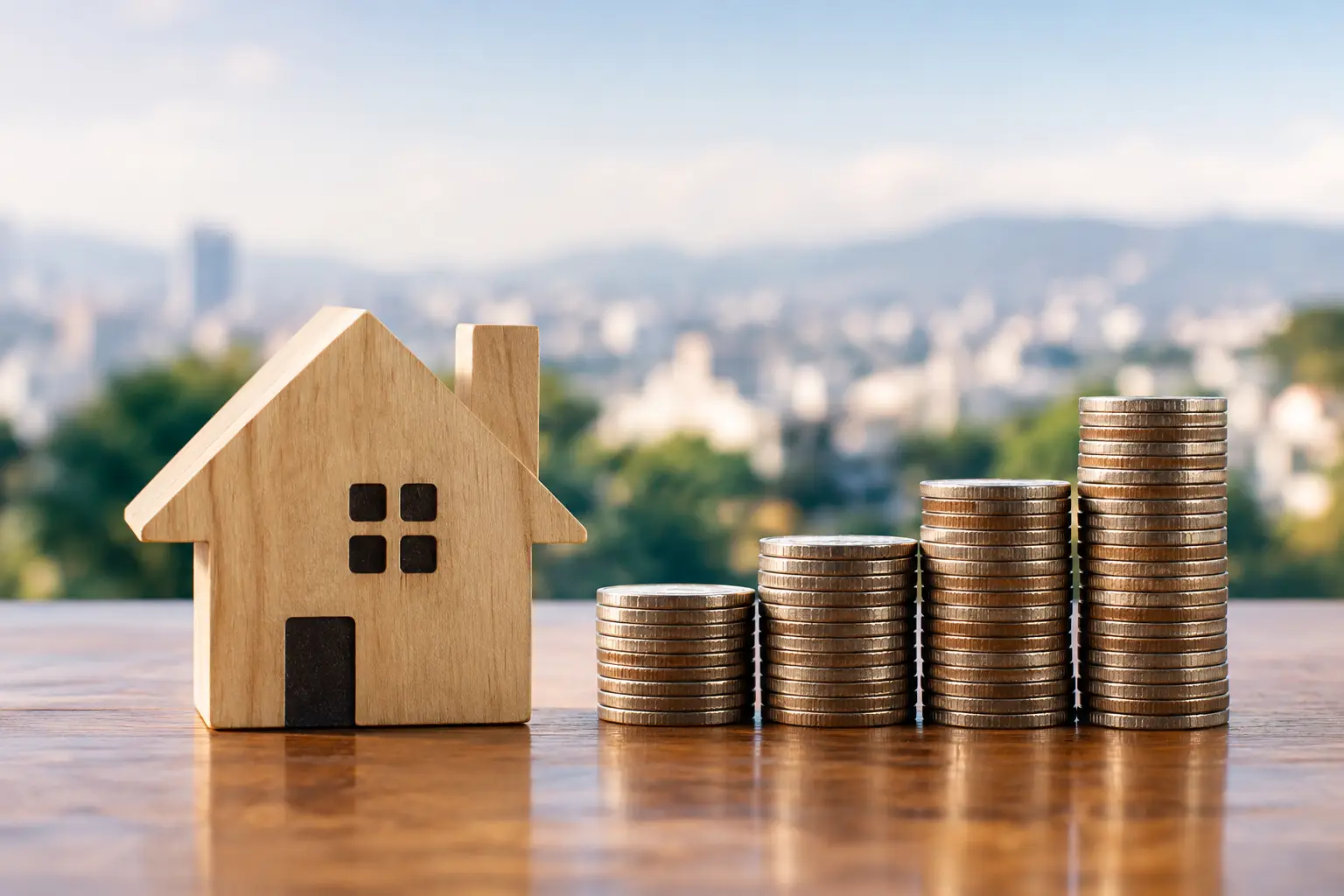
A home used to be the boring part of adulthood. You found one, complained about the mortgage, painted a wall a color your partner disliked, and got on with life. Now housing has become a national sport in which young adults bid against investors, parents become unwilling bankers, and a modest apartment can cost more than a respectable spaceship did in old science fiction.
So, what causes the housing affordability crisis? The irritating but honest answer is that several systems are failing at once. Too few homes are being built where people need them. Demand has been amplified by cheap credit and investment capital. Wages have not kept pace with housing costs. And governments often promise relief while protecting the rules that keep scarcity profitable.
That does not mean every city has the same problem, or that one villain is hiding behind the curtain. Housing markets are intensely local. But the forces creating the crisis are remarkably familiar from Amsterdam to Austin.
What Causes the Housing Affordability Crisis?
At its core, affordability collapses when the number of people who want or need homes rises faster than the supply of suitable homes. That sounds almost offensively simple, like explaining traffic by pointing out there are too many cars. Yet simplicity is not the same as insignificance. If a growing city adds jobs, students, retirees, newcomers, and smaller households but barely adds homes, prices have only one obvious direction to go.
The word “suitable” matters. A region may technically have empty properties while workers cannot afford to live near their jobs, families cannot find homes with enough bedrooms, or older residents cannot find accessible smaller places to move into. A vacant luxury unit in a distant district does not solve a nurse’s commute or a teacher’s rent.
Housing is also unusual because people cannot postpone it forever. You can delay buying a new car. You cannot tell your children that the family will sleep in a shopping cart until interest rates improve. When homes are scarce, people compete fiercely for them, and the least wealthy do not get a discount for being polite.
Building Less Than the Economy Demands
The first cause is simply restricted supply. In many prosperous cities, building has not matched population growth, job growth, or the changing shape of households. More people now live alone, couples separate, and older people often remain in homes that no longer fit their needs because downsizing is expensive or impractical. One hundred people may require far more than fifty homes, even if the population number barely changes.
Why not build? Land is limited in desirable places, certainly. But natural limits are only part of the story. Zoning rules can prohibit apartments near transit, height limits can make projects uneconomic, parking requirements can consume land and money, and permit processes can stretch for years. Each rule may have sounded reasonable in isolation. Together, they can produce a planning system with the speed and cheerfulness of a fax machine.
Local opposition also matters. Existing homeowners have understandable concerns about noise, traffic, changing neighborhoods, and lost sunlight. They also have a powerful financial interest in keeping their own property valuable. Politicians notice who votes, who attends meetings, and who has already figured out where City Hall is. Renters and future residents are less visible precisely because they are not there yet.
This is the political trick at the heart of housing: the people who benefit from more homes are often dispersed, younger, and busy working. The people who fear change live next door to the proposed building.
Cheap Money Made Expensive Homes Look Normal
For years, low interest rates made borrowing cheap. That helped many households buy homes, but it also allowed buyers to pay more for the same property. When monthly payments become the main calculation, a lower interest rate can quickly turn into a higher sale price.
Investors noticed too. Real estate looked safer than volatile markets and more tangible than a spreadsheet. Large funds entered some markets, but so did ordinary households buying a second apartment, a vacation rental, or a property for their children. Blaming every price increase on corporate landlords is too neat. Still, when housing becomes a favored investment vehicle, families looking for somewhere to live must compete with buyers looking for yield.
Then interest rates rose. The result was not instant affordability. Existing owners with low fixed-rate mortgages had little reason to sell, while new buyers faced sharply higher monthly costs. Supply froze, transactions slowed, and homes remained unaffordable through a different mechanism. Housing markets have an impressive ability to inconvenience people in both directions.
Income Has Not Kept Up With the Front Door
The affordability crisis is not only a house-price problem. It is an income problem, too. In many places, productivity and wealth grew, but the gains did not flow evenly into paychecks. A professional couple may manage a high rent by sacrificing savings, space, or proximity. A single parent, care worker, retail employee, or young teacher has fewer options.
Housing costs also squeeze people differently. Owners who bought long ago may have stable payments and rising wealth. Renters face annual increases with no matching asset on the other side. Younger generations can be told to “save harder” by people who bought a house when a down payment required discipline rather than an inheritance, a side business, and possibly a minor royal wedding.
The consequence is broader than personal frustration. When workers cannot live near jobs, employers struggle to hire. Long commutes strain infrastructure and family life. Young adults postpone children, relationships, and careers. Neighborhoods become sorted by wealth, while the people who keep a city functioning are pushed ever farther from it.
Construction Costs Are Real, but So Are Choices
Builders are not magicians, and construction has become expensive. Land, materials, energy, financing, insurance, labor, and environmental requirements all add cost. Higher interest rates are especially punishing for projects that require years of planning before a single rent check arrives.
But “construction is expensive” should not end the discussion. Costs rise partly because building is unpredictable. If a developer must spend years navigating appeals, changing requirements, and uncertain approvals, that risk is priced into every unit. Small builders often cannot survive the delay at all, leaving the field to large firms with lawyers, cash reserves, and patience of industrial quality.
There are trade-offs. Faster approvals should not mean unsafe buildings or bulldozing communities. Environmental standards matter. Historic neighborhoods can be worth preserving. The question is whether every legitimate concern must automatically become a veto. A city that preserves every view, every parking space, and every existing pattern may accidentally preserve a future in which only affluent people can stay.
Why Rent Controls Help and Hurt
Rent controls are a classic example of a policy that can be both humane and flawed. For a tenant facing a sudden rent increase, protection can be the difference between staying housed and being forced out. That is not a theoretical benefit.
Yet strict controls can also discourage maintenance, reduce the number of rentals offered, and create a lottery in which lucky incumbents receive a bargain while newcomers pay absurd market prices. If landlords can earn more by selling, converting, or avoiding the rental market, the long-term supply problem can worsen.
The sensible response is not to sneer at tenants or landlords. It is to distinguish emergency protection from permanent scarcity management. Strong tenant rights, predictable rules, targeted support for low-income households, and much more construction can work together better than any single ideological slogan.
The Uncomfortable Truth: Homes Are Both Shelter and Wealth
Most arguments about housing collapse because they pretend a home is only one thing. It is shelter, a neighborhood, a financial asset, collateral for retirement, a family legacy, and often the largest purchase a person will ever make. Policies that lower prices may help prospective buyers while frightening existing owners. Policies that protect values can make entry impossible for everyone else.
That conflict cannot be solved by pretending prices should rise forever. A society in which ordinary work cannot secure ordinary housing is not protecting prosperity. It is converting basic stability into a privilege.
The practical direction is not mysterious: build more homes in places people can realistically live, especially near jobs and transportation; make approvals faster and more predictable; support those hit hardest by rent increases; and stop treating every new apartment as a personal insult to the nearest homeowner. None of this is painless. Every solution has a constituency that dislikes it.
But a home should be a foundation for a life, not a prize awarded to the people who arrived earliest, borrowed cheapest, or happened to have parents with a spare bedroom and excellent timing. The useful question is not whether change will alter a neighborhood. It will. The question is whether we prefer that change to happen through more homes, or through the quiet exclusion of everyone who can no longer afford one.